Pet First-Aid Cheat Sheet: Printable Emergency Steps
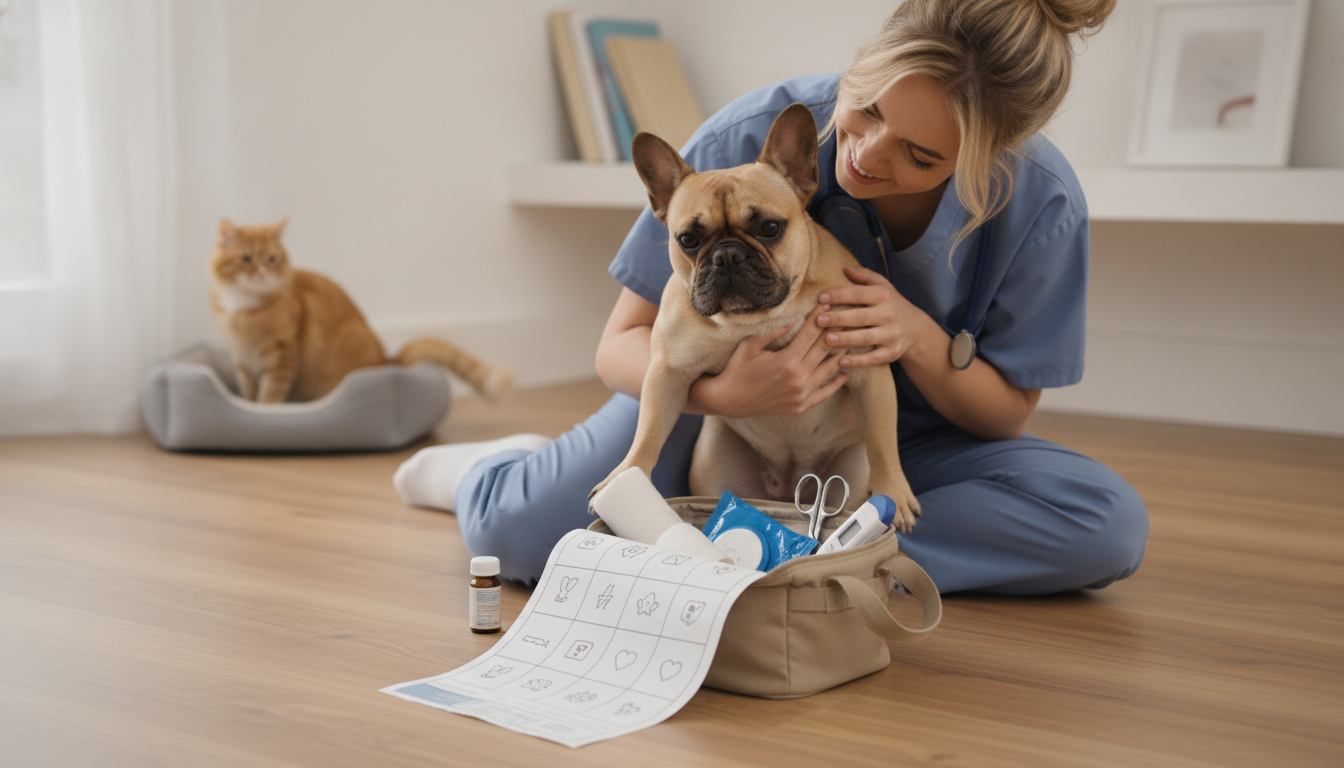
Must-Know Pet First-Aid Cheat Sheet: A Printable Emergency Guide for Pet Owners
Emergencies with pets move fast—choking, bleeding, heat stress, seizures, poisoning, and sudden collapse can escalate in minutes. A clear, printable cheat sheet helps caregivers stay calm, prioritize safety, and take the right steps while contacting a veterinarian or emergency clinic. The goal is simple: protect yourself, stabilize your pet, and get professional care as quickly as possible.
When a Pet Emergency Happens: First Priorities
In the first minute, the “right move” is usually the safest move. Before touching your pet, scan for hazards like traffic, other animals, electrical cords, smoke, broken glass, or a frightened pet that may bolt.
- Approach calmly. Injured pets can bite from fear or pain. Use a towel as a barrier, keep your face away from the mouth, and avoid putting fingers between teeth.
- Do a quick “ABCs” scan. Check airway (is something blocking breathing?), breathing (chest rise, airflow), and circulation (pulse, gum color, severe bleeding).
- Call early. Contact your veterinarian or a 24/7 emergency clinic right away and keep the phone on speaker while you assess and provide basic care.
- Make a transport plan. Use a carrier when possible. For large dogs or suspected spine injuries, use a firm board or a blanket as a stretcher to keep movement minimal.
What to Keep in a Pet First-Aid Kit (Home + Car)
A kit is only helpful if it’s complete, easy to grab, and the contents are familiar. Stock one for home and a smaller duplicate for the car.
- Basics: sterile gauze pads, non-stick bandage pads, roll gauze, vet wrap, medical tape, blunt-tip scissors, tweezers, digital thermometer, saline wound wash, and disposable gloves.
- Bleeding control: absorbent pads, extra gauze, and a clean towel. Keep styptic powder accessible for nail bleeds.
- Safe restraint: a soft muzzle (or gauze roll for a temporary dog muzzle—never if vomiting or struggling to breathe), a slip lead, and a thick towel/blanket.
- Helpful extras: instant cold pack, flashlight, and hydrogen peroxide only if specifically instructed by a veterinarian or poison professional.
- Paperwork: vaccination records, microchip number, regular vet contact, nearest 24/7 ER address, and current medications/allergies.
Quick-Grab Emergency Contacts Card
| Item | What to write down | Where to keep it |
|---|---|---|
| Primary veterinarian | Phone + address + hours | On fridge + in kit |
| 24/7 emergency clinic | Phone + address + driving directions | Car visor + in kit |
| Animal Poison Control | ASPCA/other hotline number; note fees may apply | On phone + printed |
| Pet info | Name, species/breed, weight, meds, allergies, microchip ID | Printed sheet in kit |
Fast Action Guide: Common Emergencies and What to Do
Use the steps below to stabilize your pet while arranging veterinary care. For more detail and veterinary-backed tips, the American Veterinary Medical Association (AVMA) first-aid guidance is a solid reference to keep bookmarked.
Emergency Quick Reference (Print-Friendly)
| Situation | Do this now | Avoid |
|---|---|---|
| Bleeding | Direct pressure; keep pet still; go to vet | Removing soaked gauze; tourniquets unless instructed |
| Breathing distress | Minimize stress; transport to ER; keep airway clear | Muzzling; forcing water/food |
| Heatstroke | Cool with water + airflow; head to vet | Ice baths; overcooling; delaying care |
| Seizure | Time it; protect head; reduce noise/light | Holding tongue; restraining limbs |
| Suspected poison | Call poison/vet; bring label; go to ER | Home “antidotes”; inducing vomiting without guidance |
- Heavy bleeding: Apply firm, continuous pressure with gauze or a clean cloth. Add layers without removing the original (pulling it off can restart bleeding). Seek urgent veterinary care.
- Choking or trouble breathing: Keep your pet calm and avoid forcing the mouth open. If an object is visible and easily reachable, gently remove it. If breathing is compromised, go to an ER immediately.
- Heatstroke: Move to shade/AC. Cool with room-temperature water on paws, belly, and neck, plus airflow from a fan or car vents. Offer small sips only if fully alert. Go to the vet—heat injury can worsen even after cooling.
- Seizure: Clear the area, protect from falls, don’t put hands in the mouth, and time the episode. After it ends, keep your pet quiet and contact a veterinarian urgently.
- Poison ingestion: Don’t induce vomiting unless instructed by a veterinarian or poison professional. Bring the packaging (or a photo), note time/amount, and call poison control or an ER clinic. The ASPCA Animal Poison Control Center is a widely used option (fees may apply).
- Broken nail or paw pad cut: Rinse with saline, apply a non-stick pad and a gentle wrap (not tight), and prevent licking. Get veterinary evaluation if bleeding persists or limping is severe.
Safe Handling and Transport Without Making Injuries Worse
Using a Printable Cheat Sheet the Right Way
Printable Resource: Must-Know Pet First-Aid Cheat Sheet
If you want a one-page, easy-to-scan guide that’s ready when adrenaline is high, the Must-Know Pet First-Aid Cheat Sheet (printable) is designed for quick decisions, with space for emergency contacts and the steps most pet households need at least once.
For new pet parents (or anyone planning ahead), pairing it with a planning resource like the Are You Ready? Pet Adoption Decision Workbook can help organize routines, vet planning, and household readiness before an emergency ever happens.
FAQ
What are the 3 C’s in basic first aid?
A common framework is Check, Call, Care: check for safety and your pet’s immediate needs (like breathing and severe bleeding), call a veterinarian/ER/poison control, then provide basic care while arranging transport. For pets, “care” often means pressure on bleeding, cooling for heat stress, and keeping the airway as clear and calm as possible.
Should vomiting be induced if a pet eats something toxic?
No—do not induce vomiting unless a veterinarian or poison control professional specifically instructs you to. Vomiting can be dangerous with caustic products, sharp objects, seizures, breathing problems, or if the pet is weak or not fully alert.












Leave a comment